30 ноября 2025 года в Хабаровске объявлено имя первого лауреата Литературной премии БРИКС. По итогам голосования международного жюри победителем стала египетская писательница Сальва Бакр – одна из ведущих фигур современной арабской прозы, автор семи сборников рассказов, семи романов и пьесы, чьи произведения переведены на многие европейские языки.
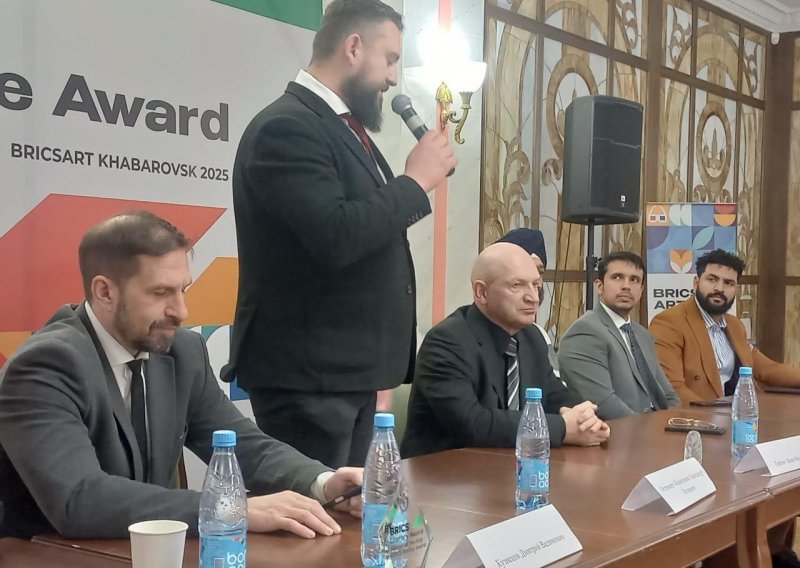
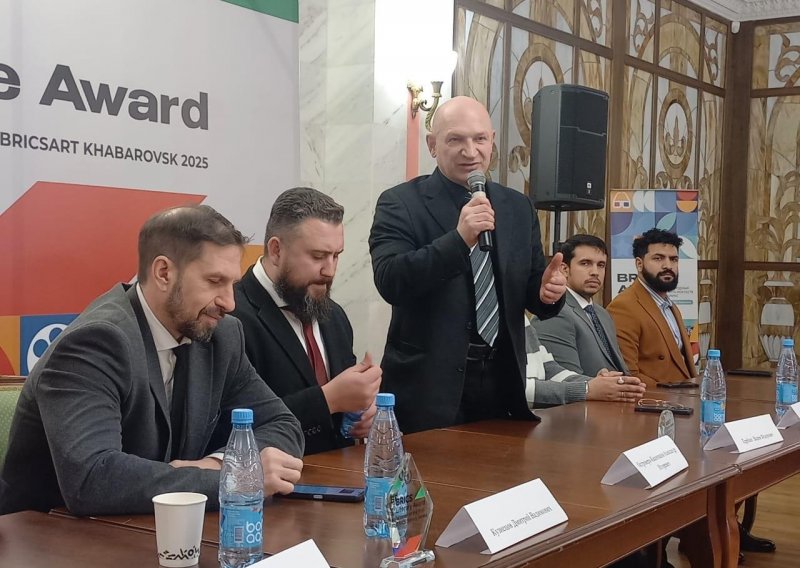
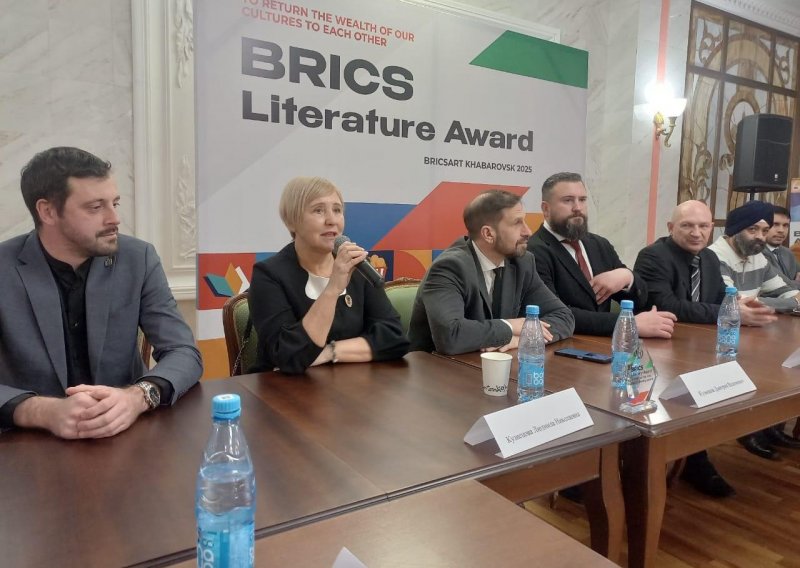
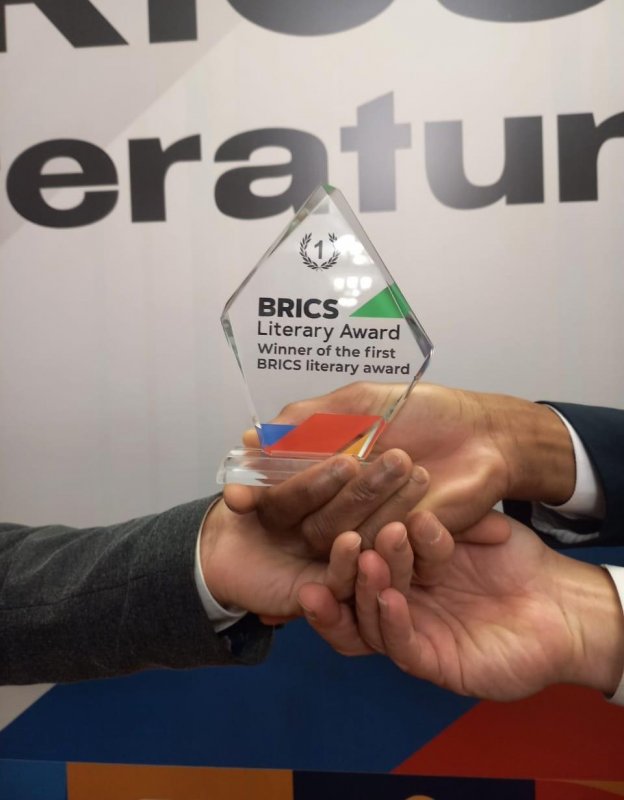
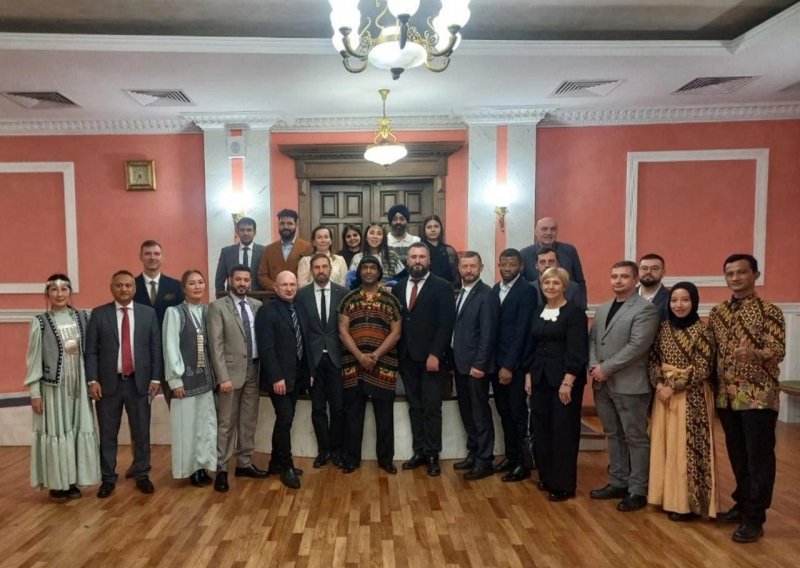
Торжественная церемония объявления победителя прошла в Городском дворце культуры Хабаровска в рамках Фестиваля искусств стран БРИКС, который проходил в Хабаровске с 26 по 30 ноября, став главным его событием. В малом зале ГДК собрались представители администрации Хабаровского края, дипломаты, писатели, издатели и общественные деятели из стран БРИКС и государств‑партнёров. Награждение победителя состоится в ближайшее время – дата и место будут объявлены дополнительно. Победитель получит денежный приз — 1 млн рублей.
Оценка значения премии и победы
К участникам встречи обратился президент Российского книжного союза, председатель Ассоциации юристов России, член Организационного комитета премии от России Сергей Степашин. В своём обращении он подчеркнул исторический характер события и роль БРИКС в мировой культурной повестке:
«Сегодня мы являемся свидетелями по‑настоящему исторического момента. Мы не просто объявляем победителя — мы закладываем краеугольный камень в фундамент общего культурного пространства наших стран. Эта премия — мощный сигнал миру о том, что литература стран БРИКС является неотъемлемой и яркой частью мировой культуры.
От всего сердца поздравляю первого победителя Литературной премии стран БРИКС — талантливую египетскую писательницу Сальву Бакр. Эта победа — признание её выдающегося таланта и свидетельство того, что литература БРИКС заявляет о себе новыми, сильными голосами. Сальва Бакр стала первооткрывателем, чьё творчество задаёт высокую планку для будущих лауреатов.
Хочу пожелать, чтобы эта победа стала началом долгой и славной истории литературного признания — не только в пространстве БРИКС, но и во всём мире. Уверен, что Литературная премия БРИКС займёт своё место среди авторитетных международных наград и станет маяком, указывающим путь к подлинным жемчужинам мировой литературы».
Свою соотечественницу поздравила египетская писательница, депутат парламента Египта Доха Мустафа Асси, которая участвовала в церемонии онлайн и является одной из основательниц премии, а также членом её Оргкомитета от Египта:
«Первая литературная премия БРИКС — и в этом году побеждает Египет. Для нас это огромная радость и очень важная новость. Салва Бакр — действительно особенная, нетипичная египетская писательница. У неё свой, узнаваемый голос, совсем не похожий ни на чей другой. Мы всегда это чувствовали, читая её книги, и очень радуемся, что теперь это признано и на таком уровне.
Я верю, что это только начало: первый год премии, первая победа Египта, первая награда для Салвы Бакр в рамках БРИКС. Она победила — и я искренне счастлива».
Международная перспектива и роль Хабаровска
Вице‑консул Генерального консульства Республики Индия в г. Владивостоке Кумар Каран подчеркнул значение Хабаровского края как площадки для премии и форума БРИКС:
«Сегодняшняя церемония в Хабаровске прошла отлично. Выбор Хабаровского края в качестве площадки для финала Литературной премии БРИКС подчёркивает его особую роль как дальневосточных ворот России и важнейшего культурного моста между странами БРИКС. Проводить здесь первую церемонию награждения более чем символично: регион исторически связан с диалогом культур и сегодня становится одной из ключевых площадок для гуманитарного сотрудничества стран глобального большинства.
Премия БРИКС играет важную роль в укреплении межкультурного диалога между нашими странами. Её задача — поддерживать современные литературные голоса, продвигающие традиционные и духовные ценности, содействовать переводам, кросс‑культурным изданиям и тем произведениям, которые отражают общее наследие и многообразие народов БРИКС.
Мы с большим вниманием смотрим в будущее. Третий форум БРИКС “Традиционные ценности” пройдёт в Индии, и именно там будет представлен длинный список Литературной премии БРИКС 2026 года. Для нас это не просто честь, но и возможность ещё глубже развивать культурное сотрудничество, которое служит фундаментом для укрепления политических, экономических и человеческих связей между странами объединения».
Особый приз и комментарии Индонезии
Особый приз «За инновации в области литературы» был вручен индонезийскому писателю Денни Джа. Эта награда присуждена ему за вклад в рождение и развитие жанра поэтического эссе, который объединяет лирические, нарративные элементы и фактические данные в одном произведении.
Национальный координатор BRICS Literature Network в Индонезии Састри Бакри подчеркнула символичность того, что в первом сезоне премии отмечены и Египет, и Индонезия: «Я очень горжусь женщиной‑писательницей Салвой Бакр из Египта, которая всегда говорит от имени женщин и неустанно борется за гендерное равенство через свои тексты. Я также горжусь тем, что Денни получил награду “Особый приз за инновации в области литературы”. Денни по праву её заслужил и, сам того не замечая, он уже поднял имя Индонезии в глазах всего мира».
Литературная премия БРИКС — альтернатива Нобелевской премии по литературе
Выступая на церемонии, депутат Государственной Думы РФ, член Комитета по международным делам, глава Секретариата премии Дмитрий Кузнецов обозначил миссию и принципы новой награды:
«Сложно не согласиться с Владимиром Мединским, Михаилом Развожаевым и Захаром Прилепиным в том, что современная Нобелевская премия по литературе часто демонстрирует политизированность и отходит от подлинных критериев искусства. Не только для нашей страны, но и для развития культуры всего человечества необходима новая авторитетная международная награда, продвигающая ценности глобального большинства — взаимоуважение, гуманизм и справедливость, — и способная по достоинству оценивать глубину, талант и вклад писателей в мировую культуру. Мы — команда Захара Прилепина и наши единомышленники из Русского книжного союза, Союза писателей России и других стран — создали такой институт признания в виде “Литературной премии БРИКС”.
По моему глубокому убеждению, это не должна быть сугубо российская премия, а результат коллективной работы литературных сообществ стран глобального большинства. По инициативе секретаря Союза писателей Китая товарища Ху Баншэна мы создали Ассоциацию союзов писателей и литературных объединений BRICS Literature Network, которая и должна взять на себя общую ответственность».
Кузнецов поздравил Сальву Бакр с победой и отметил, что внимательно следил за голосованием национальных жюри: русский номинант Алексей Варламов входил в число лидеров, получив, в частности, голоса Индии и ОАЭ, однако решающими стали голоса других стран.
Говоря о будущем премии, он добавил, что главная интрига следующего сезона связана с решениями BRICS Literature Network относительно дальнейших правил Премии: «Мы только в начале колоссальной работы, но уверены, что справимся».
Как руководитель «Международного союза отцов» Дмитрий Кузнецов также обратил внимание на то, что через творчество Сальвы Бакр можно глубже понять важность такой традиционной ценности, как любовь и уважение мужей к жёнам.
Итоги первого сезона Литературной премии БРИКС
Председатель Ассоциации писателей BRICS Literature Network Вадим Терёхин подвёл итоги первого сезона и обозначил перспективы развития сети:
«Завершился первый сезон Литературной премии БРИКС. Мы от души поздравляем лауреата от Египта Сальву Бакр с победой. Для нас большая честь стать первооткрывателем такой престижной международной награды, которая даёт возможность остаться в истории мировой литературы.
В течение года мы вместе прошли большой творческий путь. Было много споров и дискуссий. Каждая страна БРИКС обозначила свою позицию по развитию BRICS Literature Network и мирового литературного процесса. Многие дружественные государства и государства‑партнёры выразили желание присоединиться к нам и принять активное участие в следующем сезоне.
Мы не рассматриваем нашу организацию как замкнутую структуру, предназначенную только для стран БРИКС. Надеемся, что в будущем в нашей работе смогут участвовать все писатели, разделяющие наши эстетические и духовно‑нравственные ценности. Уже сейчас очевидно, что BRICS Literature Network имеет большие перспективы и послужит взаимопроникновению литератур и объединению народов через художественное слово».
О Литературной премии БРИКС и процедуре отбора
Литературная премия БРИКС – новая международная награда, учреждённая в ноябре 2024 года на форуме БРИКС «Традиционные ценности». Премия поддерживает современных авторов, чьи произведения отражают культурные и духовные ценности народов стран БРИКС, и способствует развитию переводов и изданию литературы на языках стран‑участниц и государств глобального большинства.
Для организации Литературной премии в каждой стране была создана дирекция и сформировано жюри, которое выдвигало кандидатов, внесших значительный вклад в развитие литературы. Лонг‑лист премии был опубликован в Бразилии. После месяца голосования осталось 10 финалистов — по одному от каждой страны; короткий список был представлен в Джакарте (Индонезия).
В шорт-лист вошли бразильская писательница Ана Мария Гонсалвес, индийский писатель и поэт Сону Саини, китайский писатель, обозреватель и блогер Ма Боюн, писательница, журналист и исследователь культуры из ОАЭ Рим Аль Камали, писатель, политик и общественный деятель Абере Адаму из Эфиопии, южноафриканская писательница, поэтесса Нтабисенг ДжахРоуз Джафта, индонезийский писатель Денни Джа, российский писатель, публицист Алексей Варламов, иранский писатель и поэт Мансур Алиморади. Египет представила писательница Бакр.
О лауреате
Сальва Бакр (род. 1949, Каир) – известная египетская писательница, романист и критик. Она окончила Университет Айн Шамс, работала кинокритиком и театральным критиком в ведущих арабских изданиях, преподавала в Американском университете в Каире.
В её произведениях, среди которых роман «Золотая колесница» и вошедший в список 100 лучших арабских романов «Человек из Башмура», центральное место занимают судьбы обездоленных и маргинализированных людей, а также проблемы женщин в египетском обществе.
Сальва Бакр — лауреат немецкой литературной премии Deutsche Welle, член Высшего совета по культуре Египта и Союза писателей Египта. Победа в первой Литературной премии БРИКС закрепляет за ней статус одного из значимых голосов современной мировой литературы.
Интервью с Сальвой Бакр «Мир нуждается в большей честности и смелости в противостоянии политическому лицемерию», взятое после объявления лонг-листа премии, можно почитать по ссылке: https://zarubejom.ru/interviews/-mir-nuzhdaetsya-v-bolshey-chestnosti-i-smelosti-v-protivostoyanii-politicheskomu-litsemeriyu/
Egyptian writer Salwa Bakr becomes the first laureate of the BRICS Literature Award
On 30 November 2025, the name of the first laureate of the BRICS Literature Award was announced in Khabarovsk. Following the vote of the international jury, the award went to Egyptian writer Salwa Bakr — one of the leading figures in contemporary Arabic prose, the author of seven short-story collections, seven novels and a play, whose works have been translated into numerous European languages.
The official ceremony announcing the winner was held at the Khabarovsk City Palace of Culture as part of the BRICS Countries Arts Festival, which took place in Khabarovsk from 26 to 30 November and became its key event. The small hall of the Palace brought together representatives of the Khabarovsk Territory administration, diplomats, writers, publishers and public figures from BRICS countries and partner states. The award ceremony for the winner will take place in the near future — the date and venue will be announced later. The winner will receive a cash prize of 1 million rubles.
The official ceremony announcing the winner was held at the Khabarovsk City Palace of Culture as part of the BRICS Countries Arts Festival, which took place in Khabarovsk from 26 to 30 November and for which it became the key event. The Small Hall of the Palace brought together representatives of the Khabarovsk Territory administration, diplomats, writers, publishers and public figures from BRICS countries and partner states. The presentation of the award to Salwa Bakr will take place in the near future, with the date and venue to be announced separately. The winner will receive a cash prize of 1 million rubles.
Significance of the award and the victory
Addressing the participants, President of the Russian Book Union, Chairman of the Association of Lawyers of Russia and member of the Award Board of Directors from Russia, Sergey Stepashin, emphasized the historic nature of the event and the role of BRICS in the global cultural agenda:
“Today we are witnessing a truly historic moment. We are not merely announcing a winner — we are laying the cornerstone for a shared cultural space for our countries. This award is a powerful signal to the world that the literature of the BRICS countries is an integral and vibrant part of global culture.
I wholeheartedly congratulate the first winner of the BRICS Literature Award — the talented Egyptian writer Salwa Bakr. This victory is a recognition of her outstanding talent and proof that BRICS literature is making itself heard with new, strong voices. Salwa Bakr has become a trailblazer whose work sets a high standard for future laureates.
I hope this victory will mark the beginning of a long and glorious history of literary recognition — not only within the BRICS framework, but worldwide. I am confident that the BRICS Literature Award will take its rightful place among leading international distinctions and become a beacon pointing the way to the true gems of world literature”.
Her compatriot, Egyptian writer and member of the Egyptian Parliament Doha Mustafa Assi, who took part in the ceremony online and is one of the founders of the Award as well as a member of the Award’s Board of Directors from Egypt, congratulated her:
“The first BRICS Literature Award — and this year Egypt is the winner. For us, this is a great joy and very important news. Salwa Bakr is a truly special, unconventional Egyptian writer. She has her own distinctive voice, unlike anyone else’s. We have always felt this while reading her books, and we are very pleased that this is now recognized at such a level.
I believe this is only the beginning: the first year of the award, the first victory for Egypt, the first BRICS distinction for Salwa Bakr. She has won — and I am sincerely happy”.
International perspective and Khabarovsk’s role
Kumar Karan, Vice-Consul of the Consulate General of the Republic of India in Vladivostok, emphasized the importance of Khabarovsk Krai as a venue for the award and the BRICS forum:
“Today’s ceremony in Khabarovsk went excellently. The choice of Khabarovsk Krai as the venue for the finals of the BRICS Literary Award underlines its special role as Russia’s Far Eastern gateway and an important cultural bridge between the BRICS countries. Holding the first award ceremony here is more than symbolic: the region has historically been linked to intercultural dialogue and is now becoming one of the key platforms for humanitarian cooperation among the countries of the global majority.
The BRICS Award plays an important role in strengthening intercultural dialogue between our countries. Its mission is to support contemporary literary voices that promote traditional and spiritual values, to encourage translations, cross-cultural publishing, and those works that reflect the shared heritage and diversity of the peoples of BRICS.
We are looking to the future with great attention. The third BRICS ‘Traditional Values’ forum will be held in India, and it is there that the longlist for the 2026 BRICS Literature Award will be presented. For us, this is not just an honor, but also an opportunity to further deepen cultural cooperation, which serves as a foundation for strengthening political, economic and human ties between the countries of the association”.
Special Prize and Comments from Indonesia
The Special Prize “For Innovation in Literature” was awarded to Indonesian writer Denny JA. This distinction was conferred on him for his contribution to the emergence and development of the poetic essay genre, which combines lyrical and narrative elements with factual material in a single work.
The National Coordinator of the BRICS Literature Network in Indonesia, Sastri Bakry, expressed her pride in the fact that, in the first season of the award, both Egypt and Indonesia were recognized:
“I am very proud of the Egyptian writer Salwa Bakr, who always speaks on behalf of women and tirelessly fights for gender equality through her texts. I am also proud that Denny received the ‘Special Prize for Innovation in Literature’. Denny truly deserves it and, without even realizing it, he has already raised Indonesia’s profile in the eyes of the whole world”.
BRICS Literature Award: A New Alternative to the Nobel Prize in Literature
Speaking at the ceremony, Dmitry Kuznetsov, member of the State Duma of the Russian Federation, member of the Committee on International Affairs and Head of the Award Secretariat, outlined the mission and principles of the new distinction:
“It is hard not to disagree with Vladimir Medinsky, Mikhail Razvozhayev and Zakhar Prilepin that the modern Nobel Prize in Literature often shows signs of politicization and departs from the true criteria of art. Not only our country, but the development of human culture as a whole, needs a new authoritative international award that promotes the values of the global majority — mutual respect, humanism and justice — and is capable of duly recognizing the depth, talent and contribution of writers to world culture. We — the team of Zakhar Prilepin and our like‑minded colleagues from the Russian Book Union, the Writers’ Union of Russia and other countries — have created such an institution of recognition in the form of the BRICS Literature Award.
I am deeply convinced that this should not be an exclusively Russian award, but the result of the collective work of literary communities from the countries of the global majority. On the initiative of the Secretary of the Chinese Writers’ Association, Comrade Hu Bangsheng, we have established the Association of Writers’ Unions and Literary Organizations — the BRICS Literature Network — which is to assume this shared responsibility”.
Kuznetsov congratulated Salwa Bakr on her victory and noted that he had closely followed the voting of the national juries: the Russian nominee, Alexei Varlamov, was among the frontrunners and received votes, in particular, from India and the UAE, but in the end the decisive votes came from other countries.
Speaking about the future of the award, he added that the main intrigue of the next season is linked to the decisions of the BRICS Literature Network regarding the further rules of the Award: “We are only at the beginning of an enormous undertaking, but we are confident that we will succeed”.
Results of the first season of the BRICS Literature Award
Vadim Teryokhin, Co-Chair of the Writers’ Association of the BRICS Literature Network, summed up the results of the first season and outlined the prospects for the network’s development:
“The first season of the BRICS Literature Award has come to an end. We warmly congratulate the laureate from Egypt, Salwa Bakr, on her victory. It is a great honor for us to be the pioneers of such a prestigious international distinction, which offers writers a chance to secure a place in the history of world literature.
Over the past year, we have travelled a long creative road together. There were many debates and discussions. Each BRICS country set out its vision for the development of the BRICS Literature Network and for the global literary process. Many friendly states and partner countries expressed their wish to join us and take an active part in the next season.
We do not see our organization as a closed structure intended only for BRICS countries. We hope that in the future all writers who share our aesthetic and moral‑spiritual values will be able to take part in our work. It is already clear that the BRICS Literature Network has great potential and will contribute to the mutual enrichment of national literatures and to the unity of peoples through the written word”.
About the BRICS Literature Award and the selection procedure
The BRICS Literature Award is a new international distinction established in November 2024 at the BRICS forum “Traditional Values”. The award supports contemporary authors whose works reflect the cultural and spiritual values of the peoples of the BRICS countries and promotes the translation and publication of literature in the languages of the participating states and the countries of the global majority.
To organize the BRICS Literature Award, a directorate was set up in each country and a national jury was formed to nominate candidates who have made a significant contribution to the development of literature. The longlist was published in Brazil. After a month of voting, 10 finalists remained — one from each country; the shortlist was presented in Jakarta, Indonesia.
The shortlist included Brazilian writer Ana Maria Gonçalves; Indian writer and poet Sonu Saini; Chinese writer, columnist and blogger Ma Boyong; Emirati writer, journalist and cultural researcher Reem Al Kamali; Ethiopian writer, politician and public figure Abere Adamu; South African writer and poet Ntabiseng JahRose Jafta; Indonesian writer Denny JA; Russian writer and publicist Alexei Varlamov; and Iranian writer and poet Mansour Alimoradi. Egypt was represented by writer Salwa Bakr.
About the laureate
Salwa Bakr (born 1949, Cairo) is a renowned Egyptian writer, novelist and critic. She graduated from Ain Shams University, worked as a film and theatre critic for leading Arab media outlets, and taught at the American University in Cairo.
Her works — including the novels The Golden Chariot and The Man from Bashmour, the latter included in the list of the 100 best Arabic novels — focus on the destinies of the deprived and marginalized, as well as on the situation of women in Egyptian society.
Salwa Bakr is a recipient of the Deutsche Welle literary prize and a member of the Supreme Council for Culture of Egypt and the Egyptian Writers’ Union. Her victory in the inaugural BRICS Literature Award further cements her status as one of the significant voices in contemporary world literature.
checheninfo.ru